The photography that I have chosen to do is Macro. I intend two produce 10 images of good quality.
I have been interested in Macro photography for some years now, and decided to do this on the course that I have enrolled on now.
The equipment that I will use is as follows A Nikon D200 body with a 50mm Macro lens. Along with the flash unit for the macro lens that goes with it and can be attached to the camera and the lens. I will also be using a small and large tripod for stability. As well as a bean bag. These items will allow me to get in close and stop any camera shake, this stopping blurred images. I shell look at the light that will be available when taking the shots as this could determine the aperture and the ISO speed at the time the shots will be taken.
The photography thyme for this will be insects and flowers, so this is going to very close up photography. I am thinking of getting eyes of a subject but this may alter depending on the subjects that I pick, but, I will go for the eyes of the subject.
Light could play a major part in this, I will try and get natural light were it is possible. As I would rather work with natural light then artificially light. I will play about with the ISO if the light fails along with the + and - compensator. The flash unit that I will be using will be to close as I only have a 50mm Macro lens so this means me getting in close to the subject, so the flash will not work properly. I intend to use the ISO more than the flash but, I will use photo shop to the minimum.
All heath and safety will be considered while taking photographs. Also when entering conservations areas that I stick to the paths and observe the country code at all times. If I set any hides up that I have permission and that it is put up in a safe way observing any plant life and anything of that nature.
The environment and the country side is to be respected, there are certain things that you cannot photograph without a licence if I come across anything like this I will seek advice and get the proper paper work put in place. I shell seek the right authorities to gain the right licences.
Showing posts with label d3. Show all posts
Showing posts with label d3. Show all posts
Saturday, 19 March 2011

Thursday, 24 February 2011
Stuart Goodwin: Macro Close-up Photography.

Camera settings for the Toad ISO 100. F2.8 Shutter Speed 1/10 Lens 50mm Macro.
This shot was taken at Calke Abby, it is a photograph of a toads eye. The toad was very dormant, he was just lying in the peat. I was able to get the lens within 20mm of the toad and this is the result. There is no enhancement on this shot and very little as been done in photoshop as you will see if you look at the file. A very pleasing shot.
I am going to try and get an assortment of pictures so this page could changed from week to week until the time comes that I have to choose the final 10.

Camera settings for Rose ISO 400. F3.5 Shutter Speed 1/3200 Sec lens 50mm.
This was taken in my back garden at the height of the severe winter that we have just had. Some how this rose survived for as long as it did. It looks so sad, but colourful in the snow. I am very pleased with the shot of the rose, it was a crisp sharp morning when this shot was taken. I used a small tripod to hold the camera steady.

Camera settings for Fly ISO 200. F2.8 Shutter Speed 1/3 Sec lens 50mm.
This shot of a fly was taken at a friends house, the fly was very dormant and was just about to die. So I put the fly on a flat surface placed some card behind the fly and took the photo. I was very lucky to have the Macro lens with me as i just been out to do some landscape photography. Please with the detail on the fly, I had to use a bean bag to keep the shot steady.

Camera settings for the crab ISO 100. F5.6 Shutter Speed 1/250 Sec lens 50mm.
This shot of the crab was taken at the back of my garden pond. It was taken in daylight and I am pleased with the result. The crab was brought at the market at Burton on Trent. I took it home and set it up near my pond. I used a tripod to keep the shot steady, you have to use a tripod when you are that close, but, very pleased with the outcome.

Camera settings for the snow drops ISO 400 F 5.6 Shutter Speed 1/10 Sec lens 50mm.
This shot was taken at a place called Calke Abbey early one February morning. These snow drops at Calke are beautiful when they are out, so I set my self up as close to the snow drops as possible. I do like the droplets of water that are on the snowdrops. The shot was set up using a bean bag, this was to stop camera shake. I was looking to get the drew drops on the snow drop as well as the snow drop its self.

Camera settings for prawn ISO 100 F5.6 Shutter Speed 1/50 Sec Lens 50mm Macro.
This shot of a prawn was taken at a fish market at Burton On Trent one Saturday morning while doing this course at the college. I had a word with the fish monger one Saturday morning, and he let me take the shot of one of his prawns. He gave it to me after so I was able to take it home and do some more but, pleased with the first one.


Camera settings for prawn ISO 100 F5.6 Shutter Speed 1/50 Sec Lens 50mm Macro.
This shot of a prawn was taken at a fish market at Burton On Trent one Saturday morning while doing this course at the college. I had a word with the fish monger one Saturday morning, and he let me take the shot of one of his prawns. He gave it to me after so I was able to take it home and do some more but, pleased with the first one.

Camera settings for Eye ISO 400 F5.6 Shutter Speed 1/2 Sec. Lens 50mm Macro.
This is a shot of the wife's eye, I asked her to put some heavy mascara on around her eye. Then setting the camera on the tripod for stability, was able to get this shot. There was some work done in photoshop for this one but, overall very pleased with the shot as I don't normally do anything like this.

This is a shot of the wife's eye, I asked her to put some heavy mascara on around her eye. Then setting the camera on the tripod for stability, was able to get this shot. There was some work done in photoshop for this one but, overall very pleased with the shot as I don't normally do anything like this.

Camera settings for Lady bird ISO 400 F5.6 Shutter Speed 1/40 Lens 50mm Macro.
This shot of the lady bird was taken at Calke Abbey, the lady bird was just resting on a pot. I was able to get close to it with out it flying away. I have captured the eyes of the lady bird and I am pleased with the shot. Again I had the bean bag with me for stability, these really are a must for Macro work. As you can see by the settings of the ISO it was a dull day so I had to alter some settings to capture the shot .

Camera settings for Bee ISO 400 F5.6 Shutter Speed 1/8 Lens 50mm Macro.
This shot was taken at Stapenhill gardens on my way to the college. The bee had been stunned by something and was laying on the ground. So I placed the bee on a stone wall and took three shots of it before it recovered and flew off.

Camera settings for the wasp. ISO 200 F2.8 Shutter Speed 1/160 Lens 50mm Macro Bean bag used.
This shot was taken at home, I set this shot up by my fish pond. The wasp was court in the office at work as Geoff does't like wasp he hit it. Stunning the wasp. So I collected it and placed it in a jar, then at the end of the day I took it home and set the shot up. It was still alive, so I managed to set it up by the pond and took the shot. Pleased with the shot and the wasp survived the day.


This shot was taken at Calke Abbey the deer was very close to the wire that surrounding the enclosure. Placed the camera on the Mono pod and got as close as possible. They are used to people at Calke but this one didn't see me behind one of the posts at the top end of the site.

Camera settings for Winter Rose ISO 400 F5.6 Shutter Speed 1/1250 Lens 50mm.
This is a shot of the same flower as above only on a different day, can't make my mind up on which to choose, but pleased with the shot.

Camera settings for Bee ISO 400 F5.6 Shutter Speed 1/8 Lens 50mm Macro.
This shot was taken at Stapenhill gardens on my way to the college. The bee had been stunned by something and was laying on the ground. So I placed the bee on a stone wall and took three shots of it before it recovered and flew off.

Camera settings for the wasp. ISO 200 F2.8 Shutter Speed 1/160 Lens 50mm Macro Bean bag used.
This shot was taken at home, I set this shot up by my fish pond. The wasp was court in the office at work as Geoff does't like wasp he hit it. Stunning the wasp. So I collected it and placed it in a jar, then at the end of the day I took it home and set the shot up. It was still alive, so I managed to set it up by the pond and took the shot. Pleased with the shot and the wasp survived the day.

Camera settings for Eagle ISO 400 F6.3 Shutter Speed 1/1250 Lens 300mm Hand Held.
This shot was taken at the Catton Estate at a game fair. The bird was on a stand and is called a Red Linnet Eagle a beautiful looking bird. The man in charge said that I could get closer if I wanted, but I said no as I am alway a little bit weary of these sort of birds. Beautiful but deadly.

Camera settings for Deer ISO 400 F6.3 Shutter speed1/80 Sec.Lens 300mm Mono pod.
This shot was taken at Calke Abbey the deer was very close to the wire that surrounding the enclosure. Placed the camera on the Mono pod and got as close as possible. They are used to people at Calke but this one didn't see me behind one of the posts at the top end of the site.

Camera settings for Winter Rose ISO 400 F5.6 Shutter Speed 1/1250 Lens 50mm.
This is a shot of the same flower as above only on a different day, can't make my mind up on which to choose, but pleased with the shot.
Sunday, 13 February 2011
Stuart Goodwin: Bird Photography.
These are some of my wildlife shots of birds that I have taken:

This shot was taken in my garden. I set up an hide early one winter morning, the sun was striking the Blue tit on the right hand side. With the sun striking this bird like it does its make this shot a lot better making the bird look very colourful. I do like this shot, this as had very little done to it in photoshop, the shots that are going on the site have not been touched up in photoshop the whole idea in taking photo's is to set the camera up properly and do very little work in photoshop.
Camera settings Blue Tit. ISO 400 F4.5 1/125 Sec. Nikon D200. Lens 500mm. Tripod Used.

The Jay. (Garrulus glandarius.)
This shot was taken at Carsington Water in a bird hide. As you can see I baited the log with peanuts so as to attracted the Jay. I do like this shot, captured the bird well pity its not looking my way a little but, still like the shot.
Camera settings: Jay. ISO 400 F4.0 1/80Sec Sony 100. Lens 300mm. Tripod Used.

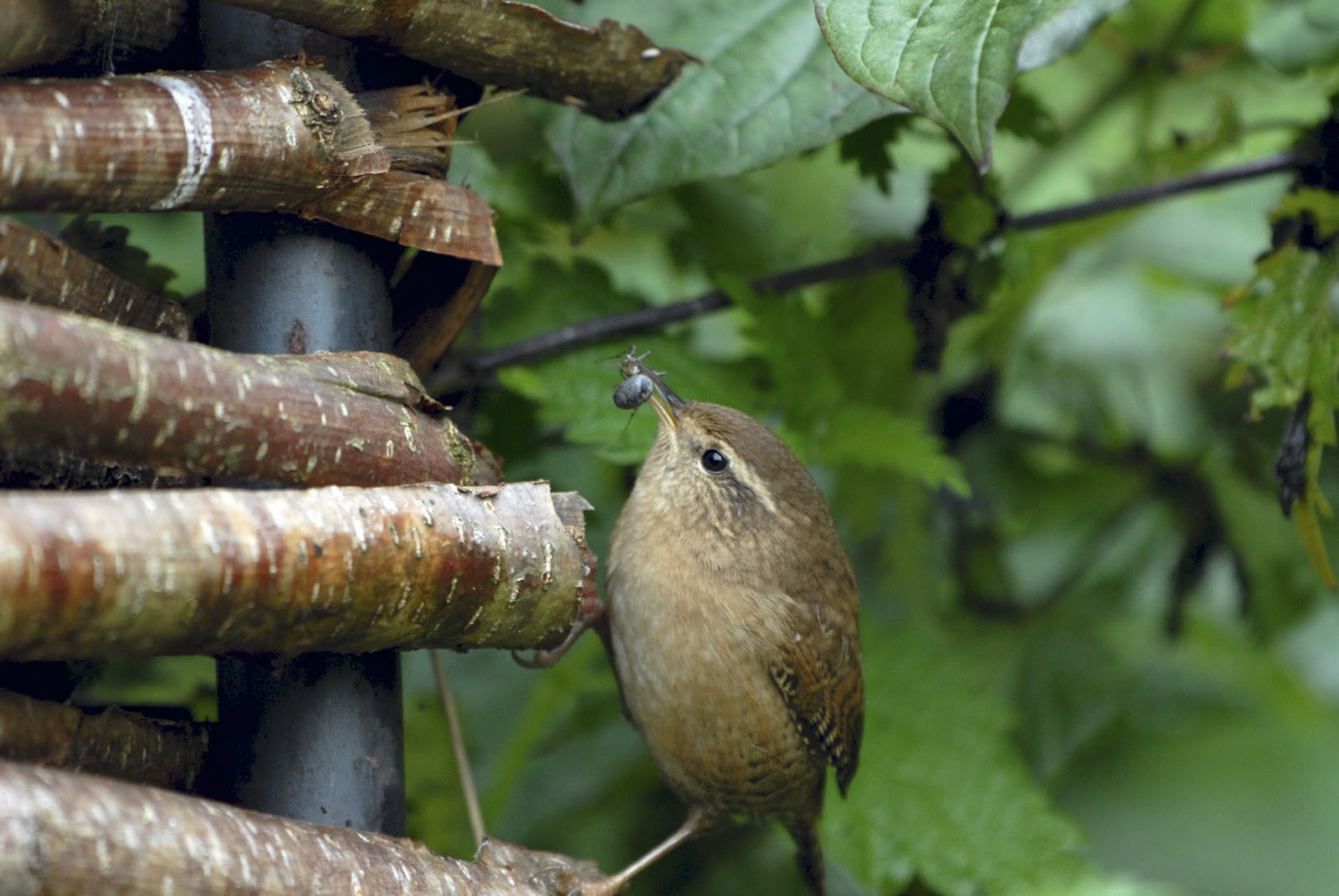
The Wren. (Troglodytes troglodytes.)
This shot of the Wren was taken at Carsington Water, it was only a few feet away. I had to be very quick as these birds are so quick. I do like this shot because I've captured it as he was catching a bug and got both at the same time.
Camera settings: Wren. ISO 400 F4.5 1/160Sec. Nikon D2Hs. Lens 500mm. Tripod Used.

The Robin. (Erihhacus rubecula.)
This was taken in my garden, I had noticed this young Robin doing this a few times so I set the hide up and got the camera out. The camera that I have, shoots, 8 shots per second and I was able to capture this robin doing what he was doing. I am pleased with this shot as this captures the Robin in flight, it was a very dull day as you can see from the ISO speed, I had to use but, very pleasing shot.
Camera settings: Robin. ISO 800 F4.5 1/640Sec. Nikon D2hs. Lens 500mm. Tripod Used.

The Song Thrush. (Turdus philomelos.)
This shot was taken on a farm where I was working. I had noticed the thrush at the beginning of the week, so I took the camera the next day and this is one of 40 shots the I took. Pleased with the out come as the bird was not there for long. Pleased with it as I have captured it singing. These Thrush's are beautiful singers, which what is what I notice in the first place. Pleasing shot.
Camera settings: Blue Tit. ISO 400 F4.5 1/250Sec. Nikon D2hs. Lens 500mm. Tripod Used.

The Blue Tit. (Parus caeruleus.)
This shot was taken at Rutland Waters. Just looking into the lens,He looks that he is going to attack at any time. The light was just right the colours are great captured well. I do like the colours on this Blue Tit I like the blue on the head and around the eyes, love this photo, very pleased with it.
Camera settings; Blue Tit. ISO 400 F5.6 1/400Sec. Sony 450 Lens 300mm with 2=2 converter. Tripod used.

The Kingfisher. (Alcedo atthis.)
This shot was taken near Calke Abby, been watching this little bird for sometime. Set the hide up between the trees. This Kingfisher landed so close to me that I could touch it. She was that close that I could not focus on it until she moved. I do like this shot even though the branch is in the way. This is an unusual shot as the bird is turning her head 360 degrees and I've captured this.
Camera settings: Kingfisher. ISO 800 F4.5 1/30Sec. Nikon D2OO Lens 500mm. Tripod Used.

The Bullfinch. (Pyrrhula pyrrhula.)
This shot was taken this winter time, the bird was in my garden eating the buds. I do like the colour of the Bullfinch, along with the snow in the back ground, and the snow in the foreground, captured him well very pleased with the picture. This was taken from my bedroom window with the lens resting on a bean bag.
Camera settings: Bullfinch. ISO 400 F4.5 1/50Sec. Nikon D200 Lens 500mm. Tripod Used.

The Great spotted Woodpecker. (Dendrocopos major.)
This shot of the Woodpecker was taken at Carsington Water, I had been watching this woodpecker coming and going for sometime so I decided to take the big lens at try and get a photo of him. Captured him well can see the colours of him well, pleased with the shot. It was quite a dull day so changed the ISO speed to help.
Camera settings: Woodpecker. ISO 800 F4.5 1/250sec Nikon D200 Lens 500. Tripod used.

The Young Robin. (Erithacus rubecula.)
This shot was taken at home in the garden. This is a very young robin only a few weeks old, he was bouncing around chirping away. So I set the hide up and set the camera up to get some shots of him. This is the first time that I have managed to see a robin without his red breast. Pleased with the shot love the long hair on his head.
Camera settings: Robin. ISO 200 F4.8 1/125Sec. Nikon D200 Lens 500mm. Tripod Used.

The Grey Wagtail. (Motacilla cinerea.)
Calke Abbey love the colours of these birds they are forever jumping about. This one was quite calm. It was a very overcast day and the bird was in a shady place at the time of taking the photo.
Camera settings: Grey Wagtail. ISO 400 F4.5 1/250Sec. Nikon D200 Lens 500mm. Tripod Used.

The Bullfinch. (Pyrrhula pyrrhula.)
This Bullfinch was taken at the Rutland Wild Life Centre. I do like how this bird is stretching to get the buds that are just coming out. The colours of the bird are nice as well. Like how I have captured the eye of the bird. This was taken from one of the hides that they have there. I used a bean bag to hold the lens steady.
Camera settings: Bullfinch. ISO 400 F4.5 1/250Sec. Nikon D200 lens 500mm. Bean Bag Used.

The Great Tit. (Parus major.)
This shot was taken at Calke Abby, I had baited a bit of ground as you can see with peanuts to attract the Great Tit. Pleased with the out come, used a 300mm F2.8 lens with a 2+2 converter on, which gave me 600mm. By putting the converter on it gave me the 600mm, plus by using an aperture of F2.8 with the converter making it F5.6 you still keep your auto focus so very pleased with the result.
Camera settings: Great Tit. ISO 400 F5.6 1/160 Sec Sony 450 Body. Tokina lens 300mm + Converter.

The Goldfinch. (Carduelis carduelis.)
This Goldfinch was captured in my garden after baiting the seed holder. Managed to capture the bird on the branch rather than on the holder. Love the colours of these birds and they are always fighting one another.
Camera settings: The Goldfinch. ISO 400 F4.5 1/30Sec Nikon D200. 500mm Lens, Tripod used.


The Nuthatch. (Sitta europaea.)
This was captured at a wood near to were I live, I was in a hide that was there. I had been using peanuts by sticking them in the trunk of the tree to attract them. These are very quick, so pleased with the outcome. I used a tripod with a 600mm Tokina lens and 2+2 Converter.
Camera Settings: The Nuthatch ISO 400 F5.6 1/500Sec Sony 450 Body. 300mm lens with 2+2 converter tripod used.

The Mistle Thrush. (Turdus viscivorus.)
This was taken in my back garden after moving the bird house. I was at the bedroom window when the bird landed and just happened to have the camera setup ready, so I just open the window slightly and took the shot. This shot reminds of the one shot by Chris Gomershall of his Mistle Thrush when I was researching for this project.
Camera Settings: The Mistle Thrush ISO 400 F4.5 1/80 Sec Nikon Body 500mm Lens. Bean bag to stop camera shake.
Saturday, 12 February 2011
My Bird Photography Calendar 2011.

Jan 2011 | ||||||
Monday | Tuesday | Wednesday | Thursday | Friday | Saturday | Sunday |
1 New Year’s Day | 2 | |||||
3 | 4 | 5 | 6 | 7 | 8 | 9 |
10 | 11 | 12 | 13 | 14 | 15 | 16 |
17 | 18 | 19 | 20 | 21 | 22 | 23 |
24 | 25 | 26 | 27 | 28 | 29 | 30 |
31 | ||||||

February 2011 | ||||||
Monday | Tuesday | Wednesday | Thursday | Friday | Saturday | Sunday |
1 | 2 | 3 | 4 | 5 | 6 | |
7 | 8 | 9 | 10 | 11 | 12 | 13 |
14 Valentine’s Day | 15 | 16 | 17 | 18 | 19 | 20 |
21 | 22 | 23 | 24 | 25 | 26 | 27 |
28 | ||||||

March 2011 | ||||||
Monday | Tuesday | Wednesday | Thursday | Friday | Saturday | Sunday |
1 | 2 | 3 | 4 | 5 | 6 | |
7 | 8 | 9 | 10 | 11 | 12 | 13 |
14 | 15 | 16 | 17 St Patrick’s Day | 18 | 19 | 20 Equinox |
21 | 22 | 23 | 24 | 25 | 26 | 27 |
28 | 30 | 30 | 31 | |||

April 2011 | ||||||
Monday | Tuesday | Wednesday | Thursday | Friday | Saturday | Sunday |
1 | 2 | 3 | ||||
4 | 5 | 6 | 7 | 8 | 9 | 10 |
11 | 12 | 13 | 14 | 15 | 16 | 17 |
18 | 19 | 20 | 21 | 22 Good Friday | 23 | 24 Easter Sunday |
25 Easter Monday | 26 | 27 | 28 | 29 | 30 | |
May 2011 | ||||||
Monday | Tuesday | Wednesday | Thursday | Friday | Saturday | Sunday |
1 | ||||||
2 | 3 | 4 | 5 | 6 | 7 | 8 |
9 | 10 | 11 | 12 | 13 | 14 | 15 |
16 | 17 | 18 | 19 | 20 | 21 | 22 |
23 | 24 | 25 | 26 | 27 | 28 | 29 |
30 | 31 | |||||

June 2011 | ||||||
Monday | Tuesday | Wednesday | Thursday | Friday | Saturday | Sunday |
1 | 2 | 3 | 4 | 5 | ||
6 | 7 | 8 | 9 | 10 | 11 | 12 |
13 | 14 | 15 | 16 | 17 | 18 | 19 |
20 | 21 Solstice | 22 | 23 | 24 | 25 | 26 |
27 | 28 | 29 | 30 | |||

July 2011 | ||||||
Monday | Tuesday | Wednesday | Thursday | Friday | Saturday | Sunday |
1 | 2 | 3 | ||||
4 | 5 | 6 | 7 | 8 | 9 | 10 |
11 | 12 | 13 | 14 | 15 | 16 | 17 |
18 | 19 | 20 | 21 | 22 | 23 | 24 |
25 | 26 | 27 | 28 | 29 | 30 | 31 |

August 2011 | ||||||
Monday | Tuesday | Wednesday | Thursday | Friday | Saturday | Sunday |
1 | 2 | 3 | 4 | 5 | 6 | 7 |
8 | 9 | 10 | 11 | 12 | 13 | 14 |
15 | 16 | 17 | 18 | 19 | 20 | 21 |
22 | 23 | 24 | 25 | 26 | 27 | 28 |
29 | 30 | 31 | ||||

September 2011 | ||||||
Monday | Tuesday | Wednesday | Thursday | Friday | Saturday | Sunday |
1 | 2 | 3 | 4 | |||
5 | 6 | 7 | 8 | 9 | 10 | 11 |
12 | 13 | 14 | 15 | 16 | 17 | 18 |
19 | 20 | 21 | 22 | 23 Equinox | 24 | 25 |
26 | 27 | 28 | 29 | 30 | ||

October 2011 | ||||||
Monday | Tuesday | Wednesday | Thursday | Friday | Saturday | Sunday |
1 | 2 | |||||
3 | 4 | 5 | 6 | 7 | 8 | 9 |
10 | 11 | 12 | 13 | 14 | 15 | 16 |
17 | 18 | 19 | 20 | 21 | 22 | 23 |
24 | 25 | 26 | 27 | 28 | 29 | 30 |
31 Halloween | ||||||

November 2011 | ||||||
Monday | Tuesday | Wednesday | Thursday | Friday | Saturday | Sunday |
1 | 2 | 3 | 4 | 5 | 6 | |
7 | 8 | 9 | 10 | 11 | 12 | 13 |
14 | 15 | 16 | 17 | 18 | 19 | 20 |
21 | 22 | 23 | 24 | 25 | 26 | 27 Advent begins |
28 | 29 | 30 | ||||

December 2011 | ||||||
Monday | Tuesday | Wednesday | Thursday | Friday | Saturday | Sunday |
1 | 2 | 3 | 4 | |||
5 | 6 | 7 | 8 | 9 | 10 | 11 |
12 | 13 | 14 | 15 | 16 | 17 | 18 |
19 | 20 | 21 | 22 Solstice | 23 | 24 Christmas Eve | 25 Christmas Day |
26 Boxing Day | 27 | 28 | 29 | 30 | 31 New Year’s Eve | |
Subscribe to:
Posts (Atom)